🌾
Wheat
RabiThe dominant Rabi crop. Sown Nov–Dec, harvested Apr–May.
Mandi Bahauddin Tehsil & District · Punjab
A village of fertile fields and enduring kinship, set in the Chaj Doab — the plain between the Jhelum and Chenab rivers, where Punjabi tradition and agricultural heritage meet.
assets/images/hero-village.jpg · 1920×1080
Our Roots
Makhnanwali carries the living heritage of rural Punjab — where extended families gather in the shade of ancient pipal trees and the rhythms of daily life follow the cycles of planting and harvest. Hospitality here is not merely a custom; it is the fabric of community.
The Lower Jhelum Canal, opened by British irrigation engineers around the turn of the twentieth century, transformed the Chaj Doab — the plain between the Jhelum and Chenab rivers — and brought lasting prosperity to Mandi Bahauddin Tehsil and its surrounding villages. Makhnanwali emerged from this era of settlement as a small but cohesive farming community.
Celebrations follow the Islamic calendar alongside seasonal Punjabi markers — Eid gatherings draw families from across the district, while the post-harvest period brings informal sports competitions, music, and the communal spirit that defines village life throughout central Punjab.
Learning has long been prized in Makhnanwali. The village was home to one of the earliest schools in the surrounding area, and across the generations its families have gone into law and the judiciary, the civil service, the armed forces, and teaching. A wide diaspora of professionals and businessmen — settled across Pakistan and overseas — remains closely tied to home.
Faith & Mosque
Community anchor and gathering space
Biradari System
Extended kinship networks of mutual support
Punjabi Folk
Dhol, alghoza, and harvest songs
Kabaddi & Sport
Inter-village competition and pride
Land & Livelihood
Mandi Bahauddin district sits in the heart of the Chaj Doab — the fertile alluvial plain between the Jhelum and Chenab rivers. Canal irrigation and deep groundwater make this one of Punjab's most productive agricultural zones.
The dominant Rabi crop. Sown Nov–Dec, harvested Apr–May.
A major cash crop supplying regional sugar mills.
Basmati and IRRI varieties, transplanted Jun–Jul.
Buffalo and cattle for milk and meat — a year-round mainstay, fed on berseem, millet, and maize fodder.
Spring (Feb–Apr)
Sugarcane planting · Rabi nearing harvest · Berseem flush
Summer (May–Jul)
Wheat harvest · Rice transplanting · Maize sowing
Autumn (Aug–Oct)
Rice harvest · Wheat land prep · Sugarcane mature
Winter (Nov–Jan)
Wheat sowing · Sugarcane crushing · Village festivals
The Village in Numbers
Figures from the 2017 Pakistan Bureau of Statistics census, Hadbast 0000122.
👥
3,437*
people
Population
📐
1,640
acres
Total Area
🏘️
611*
units
Housing Units
👨👩👧
5.59*
persons/home
Avg. Household
📖
70.7%*
ages 10+
Literacy
🎓
117*
degree & above
University Graduates
* 2023 census data is not yet released at the mauza (village) level, so these figures may have changed since 2017. Total area is unlikely to have changed materially. The source does not provide a residential/agricultural split of the 1,640-acre total.
Source: 2017 PBS Census — District Mandi Bahauddin (Hadbast 0000122)
Community
Mar
20
A spring festival on the open village ground — local food stalls, folk music, dhol performances, and traditional games for children and youth.
Apr
21
Post-prayer gathering on the village grounds — families and guests from across the district, communal meals, and renewal of neighbourly bonds.
Around the Village
The places that anchor daily life in Makhnanwali — its mosque and Imam Bargah, the rivers and canal that water its fields, and the ground where its elders rest.
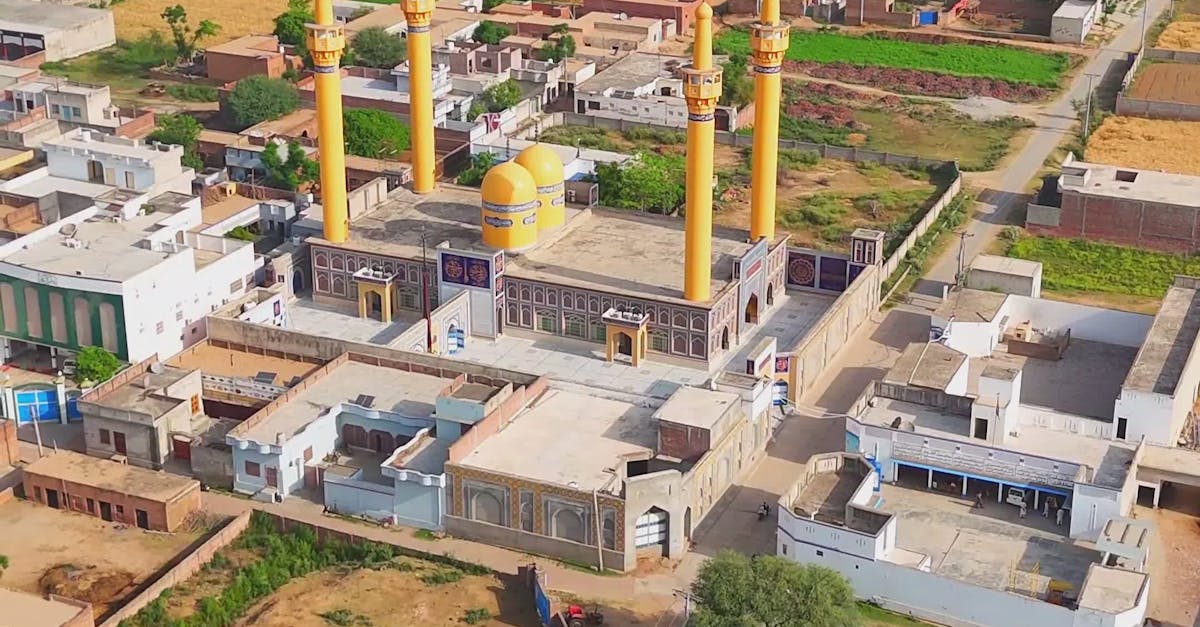
The village's grand, golden-domed Imam Bargah and mosque — its most prominent landmark and the heart of Majalis and Muharram observances.
The main Friday mosque of Makhnanwali — name and details to be added.
A neighbourhood mosque — name and details to be added.
Makhnanwali lies in the Chaj Doab, the plain between the Jhelum and Chenab — the source of the land's fertility.
The link canal that carries water across the doab, feeding the fields and watercourses around the village.
The old graveyard where generations of the village rest — including the revered spiritual figure Bawa Syed Laal Hussain Shah.
Find Us